
Part 1: Introduction
The Economic Stimulus Program (ESP) Market initiative is a government-led undertaking designed to modernize trading spaces across the country. It reflects a deliberate commitment to dignify small traders, strengthen micro, small and medium enterprises, and enhance county and national revenue systems. The ESP Market Program is a flagship of the Bottom-Up Economic Transformation Agenda (BETA), aligning with the principle that economic growth must be inclusive and must reach citizens at the most practical level of daily trade.
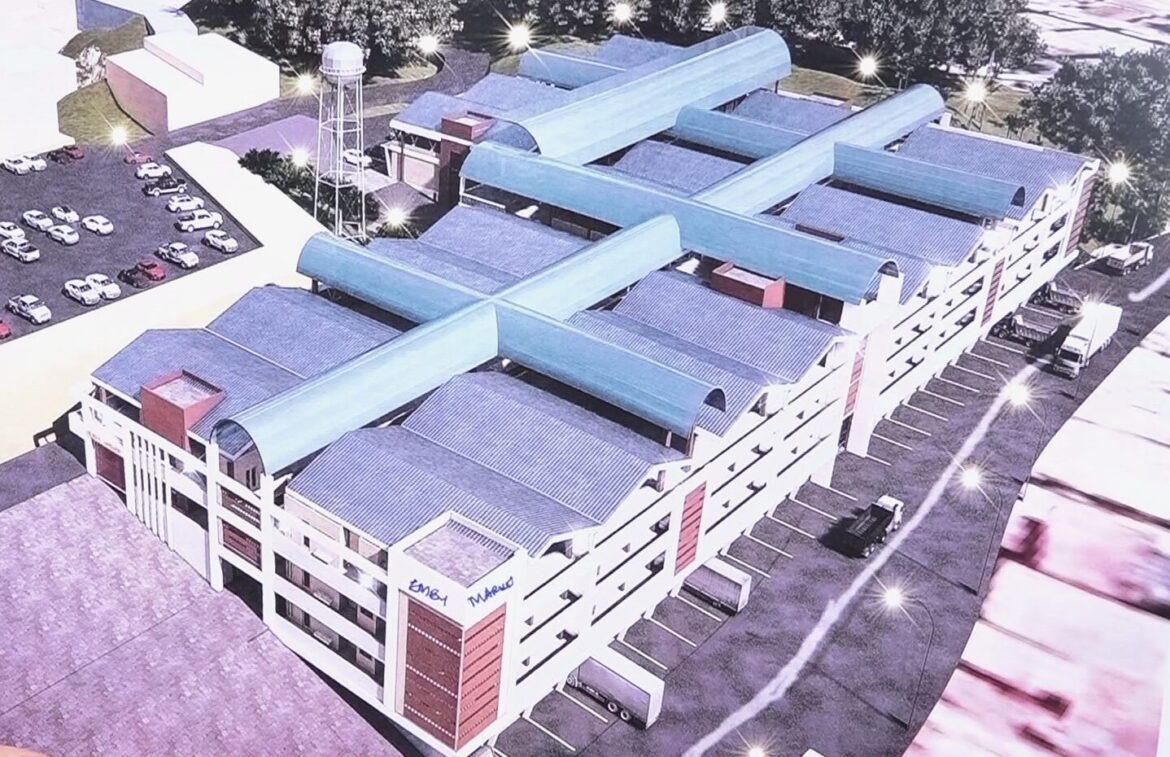
Markets are the most visible centres of local commerce in Kenya. They link farmers with consumers, artisans with buyers, and households with essential commodities. For decades, these markets have been central to community life, yet many have been defined by poor infrastructure, inadequate sanitation, and unsafe conditions. The ESP Market Program introduces structured facilities that provide traders with organized stalls, proper drainage, water and electricity supply, waste disposal systems, and where appropriate, cold storage. By doing so, the Program not only creates safer and healthier trading spaces but also transforms markets into engines of community development.
The government has continued to allocate resources to the ESP Market Program in successive years. In the 2022 fiscal year, 14 markets were recorded as constructed under the “Construction of Vision 2030 Flagship & ESP Markets” framework. In the 2023 fiscal year, the same Program framework registered 12 completed markets. In 2024, allocations recorded under the Program stood at KES 186.2 million, with targets covering 182 ESP markets and 5 market hubs under the urban social and physical infrastructure sub-component. These figures demonstrate a deliberate national policy direction anchored in planning and budget law.
Part 2: Policy and Strategic Context of the ESP Market Program
2.1 Alignment with National Development Frameworks
The ESP Market Program is anchored within Kenya’s long-term planning instruments. Vision 2030 identifies infrastructure and social amenities as enablers of growth, and markets fall within this priority. The Fourth Medium-Term Plan places emphasis on urban renewal and provision of social infrastructure, within which modern markets are included as drivers of inclusive prosperity.
The Bottom-Up Economic Transformation Agenda (BETA) elevates small traders and micro-enterprises as a priority pillar. The MSME framework under BETA stresses the need to provide affordable credit, training, and infrastructure. The ESP Market Program directly fulfils the infrastructure aspect, ensuring that traders operate in dignified facilities supported by government policy.
2.2 Budgetary Commitments and Targets
The government’s commitment is reflected in specific allocations and measurable indicators:
- In 2022, 14 ESP markets were constructed under the national flagship and ESP market component.
- In 2023, 12 ESP markets were completed under the same KPI.
- In 2024, the Program recorded a budgetary allocation of KES 186.2 million, with targets covering 182 ESP markets and 5 market hubs.
These figures, published through the OpenBudget portal, represent verifiable outputs and planned commitments that give the Program legitimacy and accountability.
2.3 Implementation and Governance Structure
The ESP Market Program is implemented through a joint framework that involves the national government, county governments, contractors, and communities. The national government provides the policy framework, allocates funds, and manages procurement. County governments facilitate land acquisition, site handover, and stakeholder engagement, while contractors execute construction. Communities play a role in oversight and eventual utilization.
For example, in Makueni County, the national government facilitated the handover of sites for the development of three ESP markets in Makindu, Kikima, and Kasikeu. In Vihiga County, the Esirulo ESP Market was officially handed over for construction. Such arrangements illustrate the intergovernmental coordination that underpins the Program.
2.4 Monitoring and Reporting
Project progress is monitored through formal progress reports and site inspections. The Keringet ESP Market in Nakuru County has an official report dated January 2025 showing physical progress of 31%, despite the contract period having elapsed. This highlights the importance of continuous monitoring and corrective action. Similar progress tracking has been reported for Kabatini, Gikoe, Riat Kolemo, Kisian, and Mwatunge, with verified percentages indicating advanced stages of completion.
2.5 Strategic Objectives
The ESP Market Program is designed to:
- Enhance trader welfare by providing safe and dignified trading spaces.
- Support county governments with infrastructure that strengthens revenue collection.
- Improve public health through better sanitation, drainage, and waste management systems in markets.
- Strengthen agricultural value chains by linking producers to consumers through structured aggregation points.
- Position Kenya for regional trade integration by creating efficient local supply chain nodes that connect to national corridors.
2.6 Policy Significance
The Program reflects a convergence of social policy and infrastructure development. It is not limited to construction but extends to governance, health, and economic empowerment. It stands as a pillar of the BETA framework and demonstrates the government’s intention to transform the informal sector into a structured, dignified, and productive contributor to national growth.
Part 3: Design and Objectives of the ESP Market Program
A Holistic Approach
The ESP Market Program was conceived as a multidimensional initiative that addresses infrastructure, social welfare, and economic growth in one package. The government recognized that for decades, markets were built in an ad-hoc manner, with traders relying on makeshift stalls or open grounds. This created unsafe conditions, frequent disputes over space, and major challenges for counties in managing and collecting revenue. By introducing a standardized framework, the Program ensures that every new market has the facilities needed for fair, safe, and efficient operation.
The holistic design considers not only the physical space but also the needs of the traders, the requirements of county governments, and the long-term vision of national development. It balances immediate functionality with sustainability, ensuring that once constructed, each market can serve communities for decades without constant repairs or redesign.
Infrastructure Features
The physical features of ESP markets are deliberately chosen to meet common challenges faced in open-air trading.
- Stalls and Shades: Markets are designed with permanent stalls to prevent overcrowding and guarantee fair allocation. This discourages exploitation and ensures transparency in licensing.
- Sanitation Blocks: Proper sanitation facilities are central to the Program. Ablution blocks, handwashing points, and waste bins reduce the risk of disease outbreaks, particularly in highly populated market centres.
- Drainage Systems: Most rural and peri-urban markets have historically struggled with flooding during rainy seasons. ESP markets include properly engineered drainage to prevent waterlogging and make the environment safe and accessible year-round.
- Water and Power Supply: Each site is connected to water lines and electricity, enabling cleaning, refrigeration, and lighting. Reliable lighting extends trading hours and improves security.
- Cold Storage Facilities: For markets dealing in fish, meat, and vegetables, cold storage reduces spoilage. This directly translates to lower post-harvest losses and better returns for farmers.
- Loading Bays and Aggregation Zones: Farmers and wholesalers require access to bulk buyers. Markets are designed with bays where trucks can offload or pick up produce, streamlining logistics.
- Security Infrastructure: Fencing, gates, and perimeter lighting make markets safer for traders and consumers, encouraging long-term stability.
Examples show how these features come to life. The Kisian ESP Market in Kisumu County, currently 82% complete, includes cold storage for fish traders around Lake Victoria. The Mwatunge ESP Market in Taita Taveta, at 96% completion, has specialized drainage designed for its highland setting. The Gikoe ESP Market in Murang’a County, already 94% complete, has designated stalls for 204 traders, ensuring that the allocation process is transparent and inclusive.
Key Objectives
The ESP Market Program is guided by clear objectives that align infrastructure with social and economic policy.
- Trader Welfare and Dignity
The first objective is to guarantee that traders work in safe, organized, and dignified spaces. This addresses decades of marginalization where women selling vegetables or fish were forced to operate on muddy grounds or roadside verges. By securing permanent stalls, the Program restores dignity to the informal workforce, which according to KNBS, accounts for about 83% of total employment in Kenya.
- Public Health and Sanitation
Unhygienic market conditions have historically contributed to outbreaks of cholera and other diseases. By providing water, drainage, and waste management systems, ESP markets embed public health safeguards directly into daily commerce. This reduces health risks for both traders and consumers.
- Revenue Mobilization for Counties
Counties depend heavily on local revenue. Unstructured markets have made revenue collection difficult. With ESP markets, counties can implement licensing systems and automate collection, making revenue flows predictable. This strengthens county budgets while ensuring traders benefit from reinvested services.
- Strengthening Agricultural Value Chains
Agriculture remains Kenya’s backbone, contributing over 21% to GDP. Farmers rely on markets as their first point of sale. ESP markets are deliberately designed as aggregation points where farmers can bring their produce, interact with traders, and access wider consumer bases. The Riat Kolemo ESP Market in Siaya County, nearly complete, is expected to serve 200 small-scale traders, many of whom are local farmers.
- Community Transformation and Social Cohesion
Markets are social hubs where communities gather, exchange information, and build networks. By modernizing these spaces, the Program supports cohesion, strengthens trust between citizens and institutions, and positions markets as safe civic spaces.
- Economic Integration
ESP markets are nodes in broader economic systems. They strengthen domestic supply chains and prepare communities to plug into regional and continental frameworks like the African Continental Free Trade Area (AfCFTA). Well-organized markets facilitate aggregation and distribution, ensuring Kenyan producers remain competitive.
- Cooperative Organization of Traders
Traders in ESP markets operate within cooperative societies that are formally registered with the Ministry of Cooperatives. These societies provide a framework for discipline in the use and management of the markets. They serve as organized platforms through which traders access government-backed credit, pooled savings, and structured financial support. The cooperatives also strengthen accountability, ensure orderly market operations, and promote sustainability of the trading spaces.
Policy Integration
The objectives of the ESP Market Program are integrated with national policies across sectors.
- Under BETA, the Program advances the MSME and agricultural pillars.
- Under Vision 2030, it aligns with social and physical infrastructure priorities.
- Under Medium-Term Plan IV, it supports urban regeneration and public infrastructure expansion.
- In health policy, it complements the Social Health Authority’s preventive agenda by reducing risks associated with unsafe food handling.
- In trade policy, it strengthens domestic markets that form the base of Kenya’s regional competitiveness.
Part 4: National Implementation Framework
Coordinated Governance
The ESP Market Program is delivered through a multi-layered governance framework that ensures cooperation between the national and county governments, while also engaging local communities and private contractors. At the centre is the State Department for Housing and Urban Development, which serves as the lead implementing agency. It develops designs, prepares tenders, supervises contractors, and ensures that every project meets approved standards.
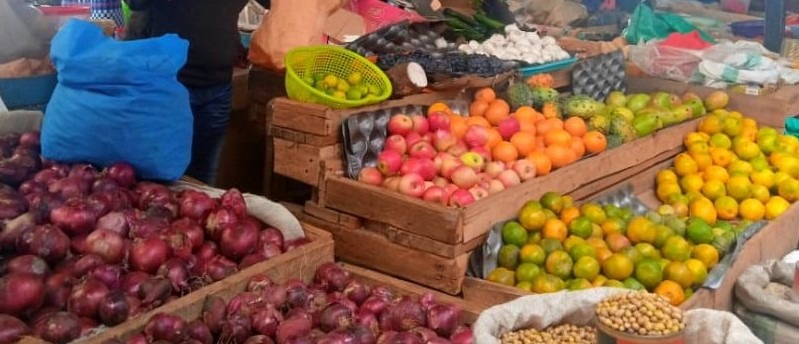
Counties provide the land on which markets are built and handle site handovers. They also mobilize local communities, manage stall allocations once facilities are complete, and invest in complementary works like feeder roads, street lighting, and waste collection. Community groups and trader associations participate in public consultations to shape market designs, ensuring the facilities meet local needs. Contractors, appointed through competitive procurement, are responsible for actual construction.
This governance arrangement spreads responsibilities clearly. The national government drives policy and funding. Counties guarantee local ownership. Communities provide oversight. Contractors deliver infrastructure. Together, they form the foundation of a program that is both top-down in policy leadership and bottom-up in community engagement.
Budgetary Framework
The Program’s financing is embedded in the national development budget under the line item “Construction of Vision 2030 Flagship & ESP Markets.” This guarantees predictable annual funding tied to specific performance indicators.
Records show that in 2021/22, the Program delivered 14 completed markets. In 2022/23, another 12 markets were completed, bringing the total to 26 in two years. For 2023/24, the Program was allocated KES 186.2 million. This allocation targeted two categories: 182 ESP markets across counties, and 5 urban market hubs intended to act as larger aggregation and distribution centres.
Counties complement these funds. In Nakuru, the county invested in road upgrades to Kabatini and Keringet ESP Markets. In Makueni, county resources were used to extend water pipelines to Makindu and Kikima sites. In Kiambu, logistical support was provided for works at Kingeero, Soko Mjinga, and Ting’ang’a ESP Markets. Such co-investments underline the Program’s character as a joint national–county effort.
The revenue model reinforces sustainability. Completed markets generate income for counties through stall licenses, daily fees, and service charges for cold storage or livestock sections. The Gikoe ESP Market in Murang’a, with its 204 trader capacity, is projected to provide steady annual revenue while keeping costs affordable for traders. In Kisumu, Kisian ESP Market will collect small fees from users of its cold rooms, helping fund maintenance. Nakuru and Kiambu counties are also adopting digital collection systems, reducing leakages and ensuring transparent revenue management.
Monitoring and Oversight
Oversight is built into every stage of implementation. At the national level, the State Department for Housing and Urban Development tracks construction through site inspections and progress reports. For example, the Keringet ESP Market progress report of January 2025 confirmed only 31% completion, despite the elapsed contract period. This highlights the importance of active contract management.
The National Treasury verifies allocations and disbursements under the development budget cycle, while the Office of the Auditor-General conducts independent audits to ensure funds are used appropriately. At the county level, governors and county executives conduct public site visits and handovers, such as those seen in Makueni and Vihiga, to maintain transparency.
Communities and trader associations also play an informal but vital oversight role. By monitoring site works and reporting delays, they hold contractors accountable. This bottom-up scrutiny ensures that markets are delivered not just to meet targets but to serve citizens effectively.
Strategic Impact
The ESP Market Program is one of the clearest examples of how national resources, county responsibilities, and community needs can converge to produce transformative outcomes.
Economic Empowerment
Each market is a direct enabler of micro, small, and medium enterprises (MSMEs), which account for 83% of Kenya’s employment. By giving traders organized stalls, cold storage, and aggregation bays, the Program expands their capacity to trade, reduces wastage, and opens new revenue streams. Kabatini in Nakuru and Gikoe in Murang’a will together host over 500 traders, translating into thousands of dependents supported through dignified incomes.
Agricultural Linkages
Markets such as Keringet in Nakuru and Riat Kolemo in Siaya are designed as aggregation points for farmers. By reducing post-harvest losses, often up to 30% in horticulture and 20% in fisheries, they improve farmer incomes and stabilize supply chains. The Kisian ESP Market in Kisumu, with cold storage for fish, is expected to transform handling of Lake Victoria’s produce, directly benefiting hundreds of small-scale fishers.
Public Health and Safety
Sanitation and drainage facilities eliminate the unhygienic conditions that once characterized open-air markets. With ablution blocks, piped water, and waste disposal, traders and buyers now operate in safer environments. This reduces outbreaks of cholera and diarrheal diseases that previously strained local health budgets.
County Revenue Mobilization
Each ESP market becomes a steady revenue stream for counties. The 204-stall Gikoe Market alone is projected to contribute millions annually through licenses and fees. Digitized collection systems in counties such as Kiambu and Nakuru mean higher accountability and predictable revenue to fund schools, roads, and health services.
Devolution in Practice
The Program also demonstrates successful intergovernmental collaboration. The national government provides designs, funding, and supervision. Counties provide land, utilities, and management. Communities participate in oversight. This three-tier partnership transforms markets into symbols of devolution working for the people.
Social Cohesion and Trust
Markets are social spaces. By investing in them, government creates visible, everyday symbols of service delivery. When traders move from muddy, insecure grounds into organized stalls, their trust in public institutions grows. This is particularly evident in counties like Makueni and Vihiga, where handover ceremonies have been attended by hundreds of residents who see government presence in tangible form.
National and Regional Trade Integration
By positioning markets along highways and key trade corridors, the Program is also preparing Kenya for regional integration. Kisian in Kisumu sits along the Kisumu–Busia highway, a gateway to Uganda. Mwatunge in Taita Taveta links to cross-border livestock markets with Tanzania. These facilities make counties ready to tap into the African Continental Free Trade Area (AfCFTA) by anchoring trade at the grassroots.
Part 5: County-Level Rollout and Case Illustrations
Nakuru County
Nakuru has three active ESP markets, each designed to anchor trade in different sub-counties.
- Kabatini ESP Market (Bahati Constituency)
Currently 92.8% complete, Kabatini is among the most advanced ESP projects in Kenya. Its design features include 300+ permanent stalls, sanitation blocks with multiple units, a drainage system, and a perimeter fence for security. Nakuru County has paved the feeder road leading to the site, ensuring accessibility even during rainy seasons. Once operational, Kabatini will host more than 1,200 traders daily, including vegetable vendors, livestock sellers, and artisans. It is expected to generate significant county revenue through stall licensing and daily fees, while offering dignified conditions for traders who previously operated on road verges.
- Keringet ESP Market (Kuresoi Constituency)
Progress stands at 31% as of January 2025, despite the contract period already being exceeded. The market is designed with 200 stalls, two sanitation blocks, and a dedicated aggregation bay for Irish potatoes. This makes it a cornerstone for the potato value chain, enabling farmers to bulk, sort, and package produce for wholesale buyers and processors. Once complete, it will reduce post-harvest losses that currently reach 25% in potatoes, and help stabilize farmer incomes in the region.
- Kiptangwanyi ESP Market (Gilgil Constituency)
Still at 9.5% completion, Kiptangwanyi is in the early stages of construction. Its design includes approximately 250 stalls, sanitation facilities, and drainage. It is strategically located to serve cereal and livestock traders, connecting rural producers to Nakuru Town and beyond.
Murang’a County
- Gikoe ESP Market (Kangema Sub-County)
Nearing 94% completion, Gikoe ESP Market has been designed to host 204 traders. Its features include permanent stalls, piped water, two sanitation blocks, a drainage system, and a small cold storage unit for perishable goods. By moving traders from open roadside setups into organized stalls, it will reduce traffic congestion and improve safety. For the county, the structured revenue collection system is projected to deliver millions annually, while ensuring affordable fees for traders.
Siaya County
- Riat Kolemo ESP Market (Rarieda Sub-County)
Construction is close to completion, with facilities including 200+ stalls, an aggregation shed, sanitation, and piped water supply. The market is intended to integrate local vegetable and cereal farmers into structured trade, linking them to wholesalers and urban buyers. Once complete, it will absorb roadside trading, provide reliable incomes for traders, and serve as a local food distribution hub.
Kisumu County
- Kisian ESP Market (Kisumu West Sub-County)
At 82% completion, Kisian stands out for its cold storage design, which includes refrigeration units for fish and horticultural produce. The market also features modern stalls, paved drainage, sanitation facilities, and a central trader assembly shed. Strategically located along the Kisumu–Busia highway, it will serve not only local traders but also cross-border commerce with Uganda. Cold storage is expected to cut fish and vegetable losses by 20–30%, directly improving incomes for small-scale producers.
Taita Taveta County
- Mwatunge ESP Market (Mwatate Sub-County)
Progress is at 96%, making it one of the most advanced in the country. Its design includes permanent stalls, roofed trading sheds, advanced sanitation blocks, and paved drainage tailored for the county’s highland climate. Once operational, Mwatunge will serve hundreds of livestock and horticultural traders daily, transforming Mwatate into a county-level trading hub.
Vihiga County
- Esirulo ESP Market (Luanda Sub-County)
Officially handed over and currently under construction, Esirulo is designed with 150 stalls, a sanitation block, drainage, and a trader assembly area. It is intended to replace the unstructured open-air market in Luanda, where traders previously operated without shelter or water.
Makueni County
Makueni has three active ESP sites, each strategically placed to align with major transport corridors.
- Makindu ESP Market
Located along the Nairobi–Mombasa highway, Makindu will link local producers to long-distance transport routes. Its design includes stalls, sanitation facilities, and a drainage system.
- Kikima ESP Market
Serving Mbooni Sub-County, Kikima’s design incorporates stalls, water pipelines, and sanitation blocks. It will connect rural farmers with wholesalers.
- Kasikeu ESP Market
Planned for Kilome Sub-County, Kasikeu is designed as a mixed-trade market with stalls for both livestock and horticultural produce.
All three sites have been officially handed over for construction, with Makueni County investing in utility extensions, including piped water connections.
Meru County
Meru has prioritized three major ESP markets, all nearing completion.
- Kangeta ESP Market (90% complete): Designed as a trading hub for miraa and horticultural produce, with drainage, sanitation, and permanent stalls.
- Kiirua ESP Market (83% complete): Planned with 200+ stalls, modern sanitation, and piped water. It will serve cereal and general traders.
- Mwichiune ESP Market (83% complete): Designed to host hundreds of small traders, with facilities including sanitation, water, and electricity connections.
These three markets are expected to host over 1,000 traders collectively, reshaping commerce in Imenti and surrounding regions.
Kiambu County
- Kingeero ESP Market: Currently under construction, designed with permanent stalls and sanitation facilities to organize peri-urban trading.
- Soko Mjinga ESP Market: Planned to replace a roadside market that has long caused congestion. Its design includes structured stalls, drainage, and sanitation blocks.
- Ting’ang’a ESP Market: Designed to streamline horticultural trade, offering organized stalls for hundreds of traders.
Together, these markets will reduce informal trading along highways, increase county revenues, and provide safer environments for both traders and consumers.
Homa Bay County
- Rodi Kopany ESP Market: Planned as a sub-county hub, with permanent stalls, drainage, and sanitation.
- Kendu Bay ESP Market: Strategically positioned to support fisheries and horticultural trade, linking local traders to Lake Victoria’s supply chain.
- Kadongo ESP Market: Intended as a local agricultural hub, with facilities for maize and vegetable traders.
These projects are still under early-stage rollout, with contracts managed under the State Department’s supervision.
ESP Market Program – County Rollout Summary
| County | Market | Completion % / Status | Facilities & Design Features | Trader Capacity (Approx.) | Notes |
| Nakuru | Kabatini | 92.8% (nearing completion) | 300+ stalls, sanitation blocks, drainage, perimeter fence, feeder road upgraded | 1,200+ users daily | Major hub in Bahati Constituency |
| Keringet | 31% | 200 stalls, potato aggregation bay, sanitation blocks, drainage | 500+ farmers & traders | Irish potato value chain anchor | |
| Kiptangwanyi | 9.5% (early works) | 250 stalls, sanitation, drainage | 400–500 traders | Early-stage rollout | |
| Murang’a | Gikoe | 94% | 204 stalls, sanitation, water, drainage, small cold storage | 204 traders | Will decongest Kangema roadside trade |
| Siaya | Riat Kolemo | Near completion | 200+ stalls, sanitation, water, aggregation shed | 200–300 traders | Agricultural aggregation centre |
| Kisumu | Kisian | 82% | Cold storage for fish & horticulture, stalls, sanitation, drainage, paved yard | 300+ traders | Located on Kisumu–Busia highway |
| Taita Taveta | Mwatunge | 96% | Permanent stalls, roofed sheds, sanitation, drainage, paved yard | 250–300 traders | Livestock & horticultural hub |
| Vihiga | Esirulo | Site active | 150 stalls, sanitation, drainage, assembly shed | 150 traders | Replaces Luanda open-air market |
| Makueni | Makindu | Site handed over | Stalls, sanitation, drainage | 200–300 traders | Highway-linked to Nairobi–Mombasa corridor |
| Kikima | Site handed over | Stalls, water pipeline, sanitation | 200 traders | Rural farmers–wholesale linkage | |
| Kasikeu | Site handed over | Stalls, sanitation, drainage | 150–200 traders | Livestock & produce hub | |
| Meru | Kangeta | 90% | Stalls, sanitation, drainage | 300+ traders | Miraa & horticultural hub |
| Kiirua | 83% | 200+ stalls, sanitation, water | 200–250 traders | Cereals & general trade | |
| Mwichiune | 83% | Stalls, sanitation, water, electricity | 200+ traders | Rural small-trader hub | |
| Kiambu | Kingeero | Under construction | Permanent stalls, sanitation | 200 traders | Organizes peri-urban trading |
| Soko Mjinga | Under construction | Stalls, sanitation, drainage | 300 traders | Decongests roadside market | |
| Ting’ang’a | Under construction | Stalls, sanitation, horticultural section | 250 traders | Streamlines horticultural trade | |
| Homa Bay | Rodi Kopany | Tender stage | Planned stalls, sanitation, drainage | TBD | Sub-county hub |
| Kendu Bay | Tender stage | Stalls, sanitation, fisheries facilities | TBD | Supports fisheries & horticulture | |
| Kadongo | Tender stage | Stalls, sanitation, aggregation | TBD | Agricultural hub |
